

At RIVER-EU, we are fully conscious of the fact that we are not starting from scratch. The work we do today is grounded in years of research, trial and error, and valuable experience from other public health efforts around the world. This article acknowledges the researchers, communities, and practitioners whose work laid the foundation for what we do. We also illustrate how we have adapted and built on it to bring vaccine equity closer to reality for underserved communities across Europe.
Mapping barriers and enablers: The WHO Health System Building Blocks
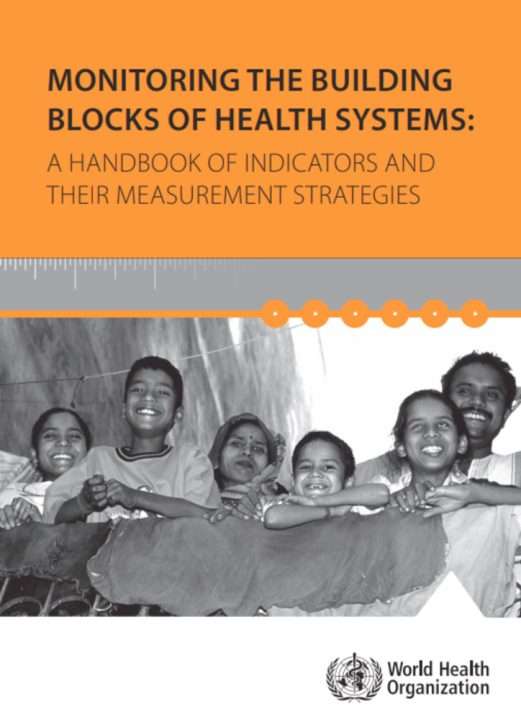
One of the first steps in our journey was understanding what stands in the way of equitable vaccination in underserved communities. For this, we turned to the World Health Organization Health System Building Blocks. This is a framework that has allowed us to map and assess six essential components of a functional health system:
- Service delivery
- Health workforce
- Health information systems
- Access to essential medicines
- Financing
- Leadership and governance
This structured approach has helped us investigate how each element either supports or hinders vaccination access. By using this shared language, we have been able to compare systems across countries and contexts; and most importantly, identify where changes can be made. You can find some of our peer-reviewed studies that relied on this framework, in Israel, Finland, Slovakia, Poland and the Netherlands.
Building a bridge between systems and people: health promoters
We conducted a realist review and shortlisted 36 potential interventions to improve HPV and MMR vaccine equity. Community-based advisory boards in each of our target pilot sites helped assess which ones would be most useful, relevant and feasible.
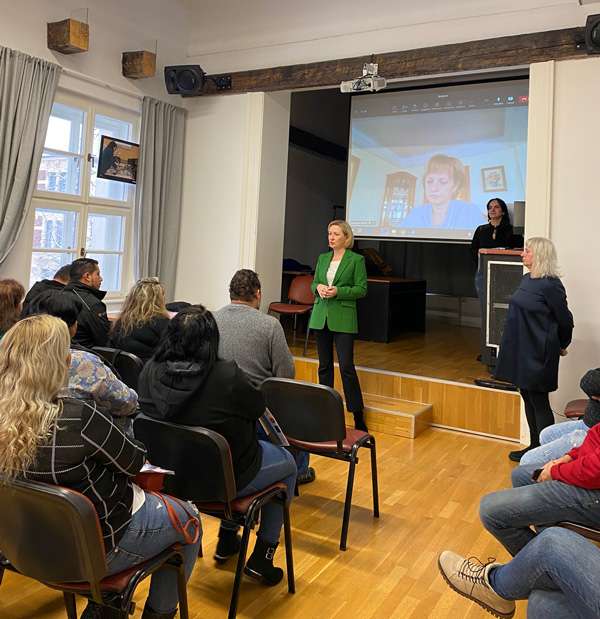
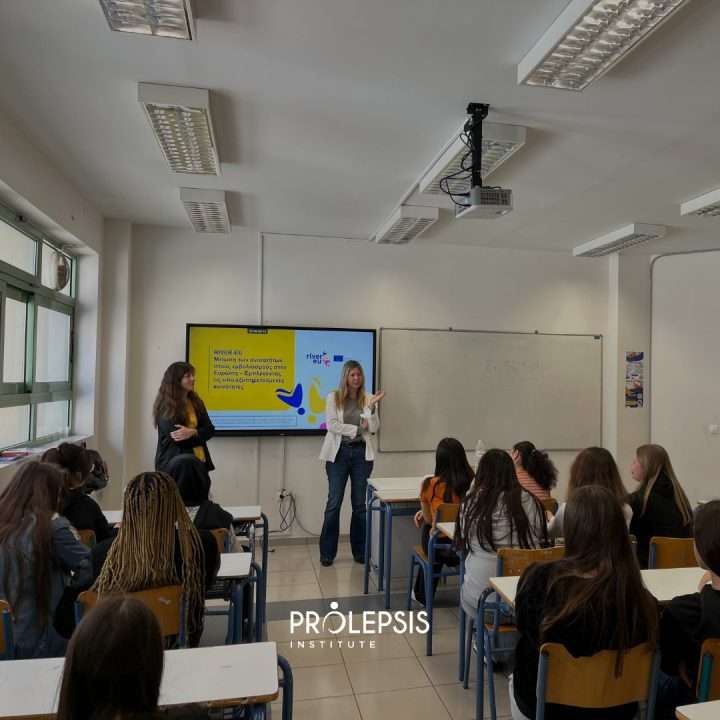
Out of this process, six interventions emerged as promising, two of which were selected by all countries involved. These evidence-based interventions by Molokwu et al. and Parra-Medina et al., both originated in an underprivileged setting. At the US-Mexico border, trained, culturally competent health promoters, known as promotoras, significantly improved HPV vaccine uptake in underserved Hispanic populations through education, referral and navigation support in a culturally and linguistically appropriate manner.
These studies have inspired the design of all our intervention. Visit the country pages of Poland, the Netherlands, Slovakia and Greece for more details.
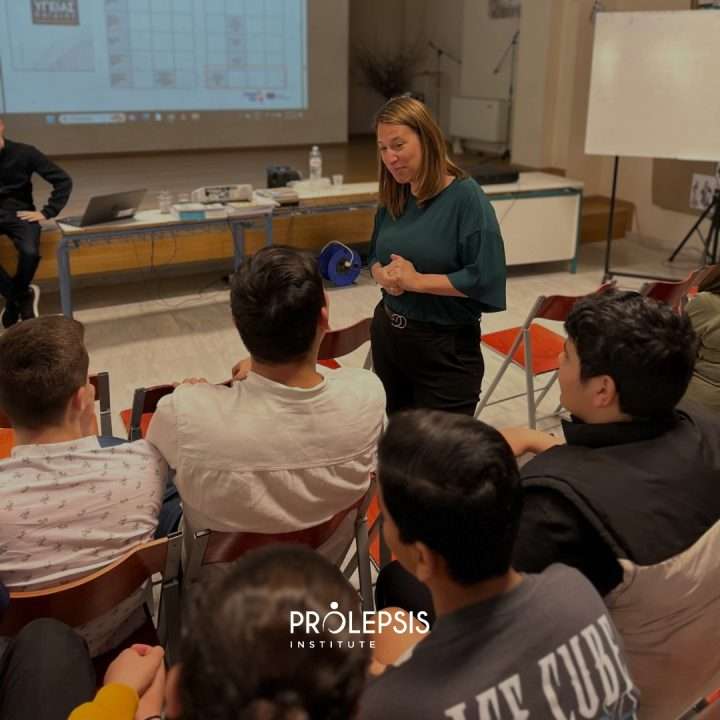
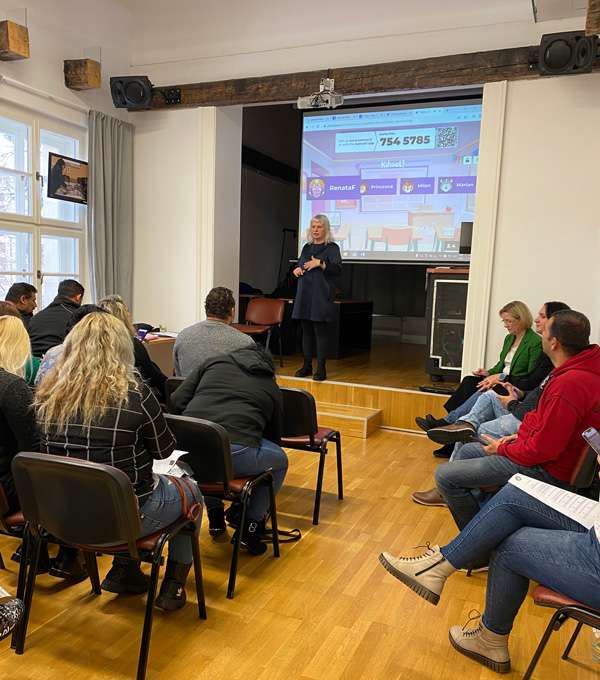
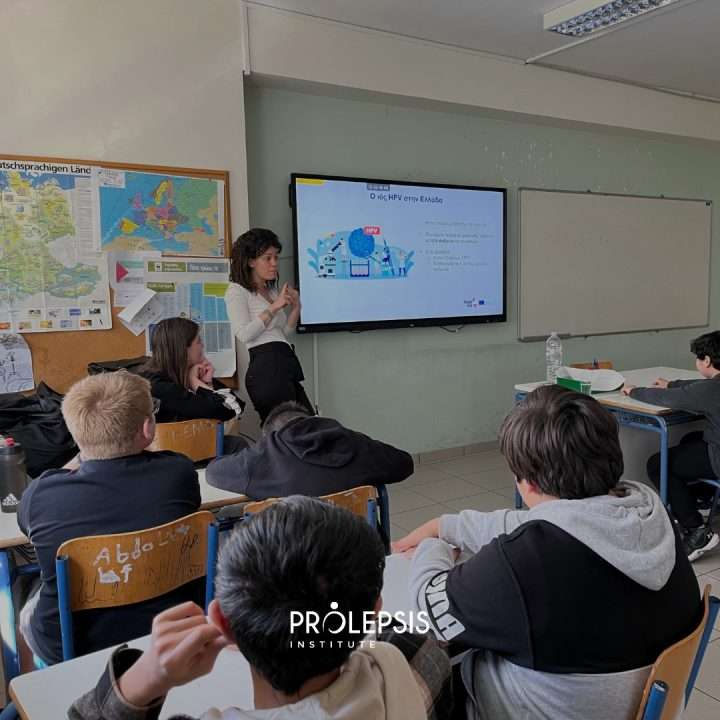
Understanding transferability with the PIET-T Model
Transferring a health intervention from one context to another is not just about replicating success; it is about understanding what makes that success possible in the first place. That is the thinking behind the PIET-T Model. This tool was developed by our colleague Tamara Schloemer from Maastricht University back in 2018 for examining the transferability of public health interventions across contexts. Her peer-reviewed publication is available in the Implementation Science journal.
The PIET-T Model helps decision makers assess whether an intervention proven effective in one setting can be adapted and expected to work in another. It does so by analysing four interconnected themes:
- P – population: Who are the people the intervention targets? Are their needs, behaviours and perceptions similar across the two contexts?
- I – intervention: What is the content and structure of the intervention? Is it clearly defined, evidence-based, and flexible enough to adapt?
- E – environment: What are the systems, structures, social factors surrounding the intervention? How might these support or hinder its success?
- T- transfer: What is the actual process of moving the intervention from one place to another? Who is involved, how is communication managed, and how are adaptations planned?
- –T – transferability: What is the potential or likelihood that the intervention will work in the new context? It depends on how similar or different the conditions are between the original and target settings and whether the intervention’s success factors can be retained or adapted.
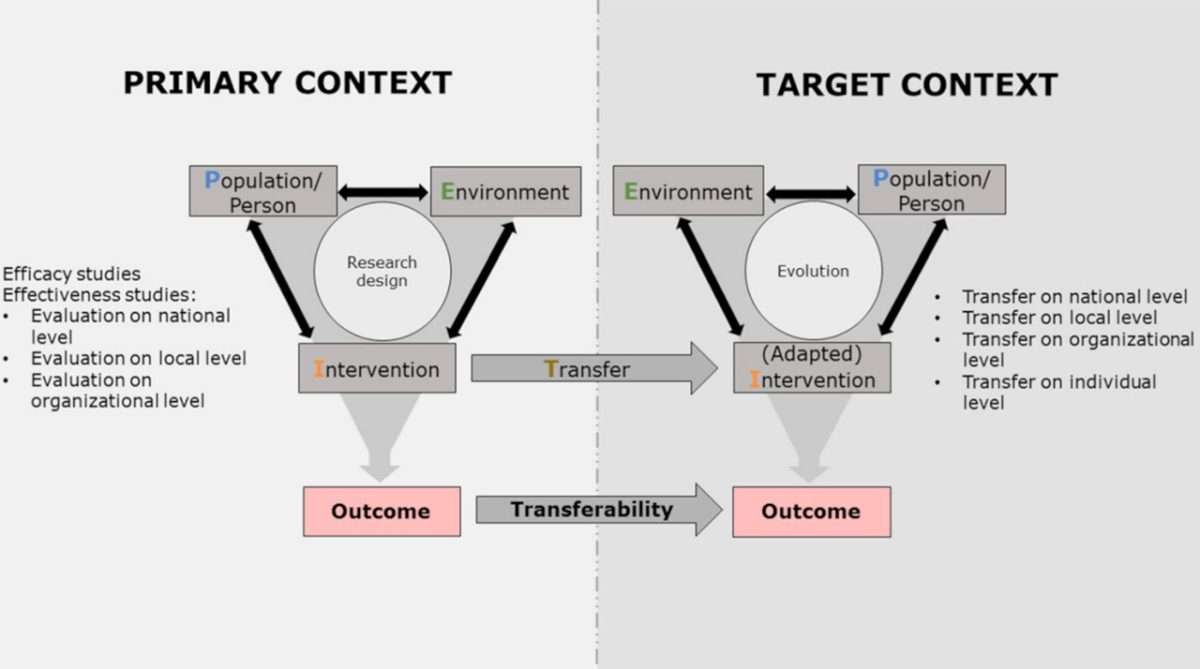
These themes form both the conceptual model (to understand the mechanisms of transferability) and a process model (to guide each step of adapting and implementing interventions).
RIVER-EU has provided a real-world opportunity to test and validate this model. We used it not only to assess the fit between different contexts but also to guide practical decisions about what interventions to bring into our target communities.
The PIET-T model gave us a conceptual backbone for transferability. But to make it work on the ground, we developed something new. We have introduced the “participatory transferability analysis”; a method that makes transferability structured and inclusive. It combines the technical guidance of the PIET-T Model with Participatory Action Research (PAR). This means that instead of experts deciding alone, local actors (e.g. community members, educators, NGOs, and healthcare professionals) co-assess the potential of a transfer. Read more about the participatory transferability analysis.
By embedding this participatory process, we have made sure that every intervention is not only evidence-based, but also meets the needs of communities. The findings from this approach are now shaping Work Package 5 of the project, where The UK Health Security Agency (UKHSA) is leading the development of a guideline and action framework. This practical guide will support public health professionals and decision-makers across Europe in selecting, adapting, and implementing interventions that fit local realities.
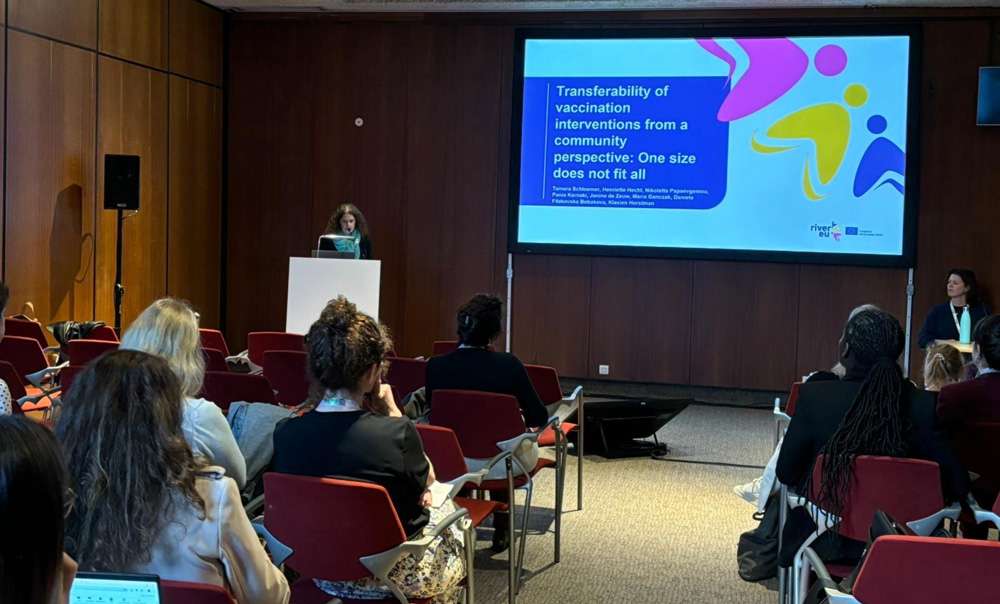
Explore how this analysis was applied in practice for communities with Turkish and Moroccan backgrounds in the Netherlands, marginalised Roma in Slovakia, Ukrainian migrants and refugees in Poland, and migrant populations in Greece, through our workshop at the 17th European Public Health Conference, held in Lisbon in November 2024.
Moving forward
This process of identifying, adapting and applying past lessons, has been at the heart of RIVER-EU. It is a reminder that progress does not happen in isolation. Every achievement is built on the insights of those who came before us.
As we move forward, we hope that the work we do today might one day become a building block for others.